3PL & Warehousing India

India’s manufacturing sector is rapidly evolving, driven by initiatives such as Make in India, the adoption of Industry 4.0 technologies, and rising global competition. Manufacturers are under constant pressure to increase productivity, improve quality, and reduce operational costs while maintaining safe working environments.

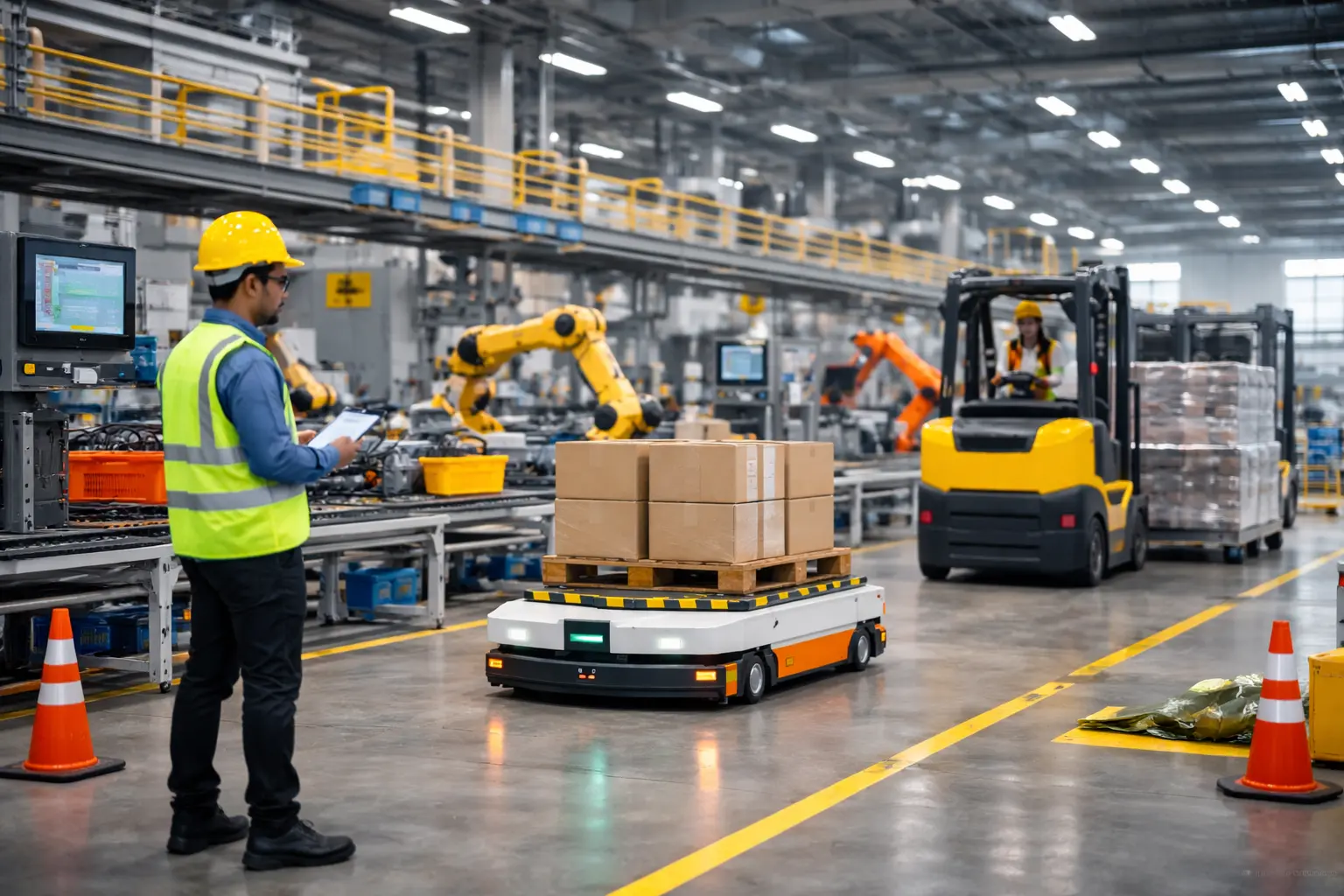
In this changing landscape, in-plant logistics operations play a critical role in ensuring smooth material flow within factories. Efficient handling, storage, and movement of materials directly impact worker safety, production continuity, space utilization, and overall operational efficiency.

With India’s manufacturiThis blog explores how Indian industries can effectively balance safety, space utilization, and cost control to build efficient, sustainable, and future-ready in-plant logistics systems that support long-term growth and competitiveness.ng sector expanding under initiatives such as smart factories and Industry 4.0, the adoption of automation and AGVs is gaining momentum. Businesses that invest in intelligent in-plant material movement are better positioned to achieve higher throughput, improved safety standards, and long-term operational scalability.

Importance of Safety in In-Plant Logistics

  • Clearly marked pathways for pedestrians and vehicles
  • Proper training for forklift and equipment operators
  • Use of safety barriers, mirrors, and signage
  • Regular maintenance of material handling equipment

Optimizing Space Utilization in Indian Plants

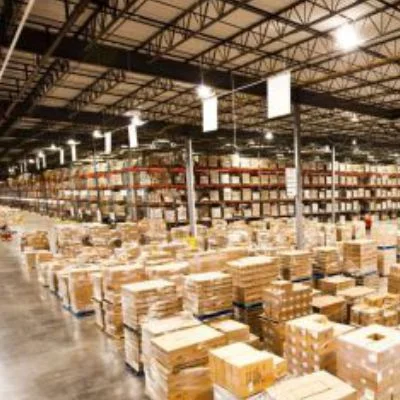
  • Vertical storage systems such as high-bay racking
  • Lean layout planning to reduce unnecessary movement
  • Dedicated zones for raw materials, WIP, and finished goods
  • Use of narrow aisle equipment and automated storage systems

Cost Control Through Efficient Material Flow

  • Excessive manual handling
  • Inefficient routing of materials
  • Equipment downtime
  • Poor inventory visibility

Role of Automation and Technology

  • Automated Guided Vehicles (AGVs)
  • Warehouse Management Systems (WMS)
  • RFID and barcode tracking
  • Conveyor and sortation systems

Sustainability and Compliance in Logistics Operations

  • Energy-efficient material handling equipment
  • Waste reduction through optimized inventory
  • Compliance with safety regulations
  • Compliance with labor laws and standards
  • Eco-friendly packaging solutions
  • Optimized storage to reduce material waste
  • Use of recyclable and reusable materials
  • Reduced carbon footprint in logistics operations

Conclusion

Safety, space utilization, and cost control are closely connected in Indian in-plant logistics operations. Smart layouts, safe practices, and modern technology help build efficient and compliant systems.

Optimized in-plant logistics supports production goals, improves workforce efficiency, and strengthens competitiveness in both Indian and global markets.

Are you interested in being a partner with Ash Logistics?

Join us as a partner and grow your business with us as never before. We are not just a service provider but a growth partner.