3PL & Warehousing India

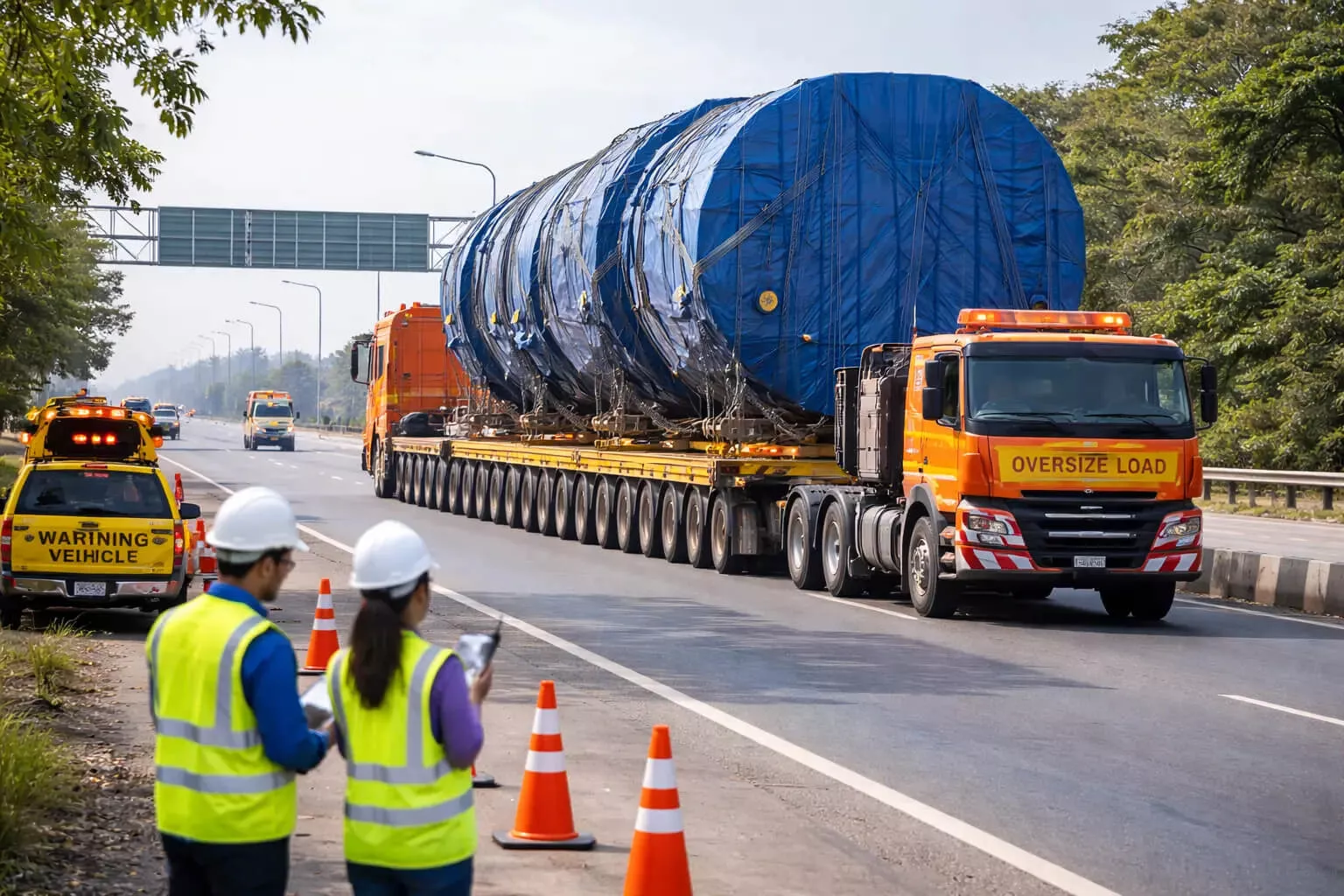
Managing Over-Dimensional Cargo (ODC) is one of the most complex challenges in the logistics and transportation industry. ODC consignments, due to their excessive size and weight, require specialized handling, equipment, and detailed planning to ensure safe and efficient movement.

In India, ODC transportation is governed by strict regulations and approvals from multiple authorities. Factors such as road infrastructure, bridge load capacities, overhead clearances, and traffic conditions make route planning and compliance a critical part of every ODC movement.

This blog explores the essential aspects of managing ODC cargo, including regulatory requirements, route surveys, and risk planning strategies. It provides insights into how logistics providers can minimize risks, avoid delays, and ensure smooth execution of complex ODC transportation projects.


Understanding Over-Dimensional Cargo (ODC)

  • Cargo exceeding standard size and weight limits
  • Requires specialized vehicles and lifting equipment
  • Common in power, infrastructure, and heavy engineering projects
  • Involves higher operational and safety risks

ODC cargo demands precise planning and execution due to its size, weight, and impact on public infrastructure. Improper handling can lead to delays, damage, and regulatory penalties.

Regulatory Approvals and Compliance in India

Transporting ODC in India requires multiple permissions from authorities such as RTOs, NHAI, state police, and local administrations. Compliance is critical to avoid legal issues and transit delays.

  • Vehicle and axle load approvals
  • Route and movement permissions
  • Police escort and traffic management approvals
  • Compliance with safety and transport regulations

Route Surveys and Infrastructure Assessment

  • Road width and turning radius checks
  • Bridge load capacity evaluation
  • Flyover and culvert assessments
  • Traffic density analysis
  • Overhead electrical line clearance
  • Railway crossings and underpasses
  • Temporary structure removal planning
  • Identification of alternative routes

Risk Planning and Execution Strategy

ODC transportation involves high operational risk due to external factors such as weather, infrastructure limitations, and public movement. Proactive risk planning ensures smooth execution.

  • Detailed method statements and contingency plans
  • Use of escort vehicles and safety equipment
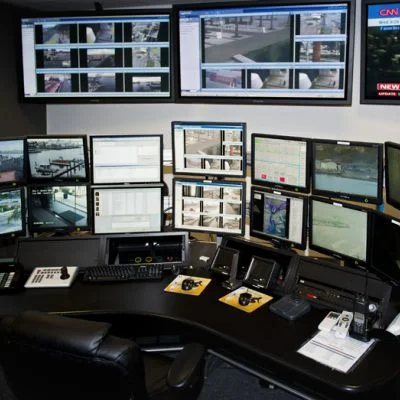
  • Real-time monitoring and communication
  • Experienced manpower and supervision
  • Emergency response and breakdown planning
  • Weather monitoring and route adjustments
  • Coordination with local authorities
  • Insurance coverage and liability management

Conclusion

Managing Over-Dimensional Cargo requires strict regulatory compliance, detailed route surveys, and robust risk planning. A structured approach ensures safety, minimizes delays, and enables successful execution of complex ODC transportation projects across India.

Are you interested in being a partner with Ash Logistics?

Join us as a partner and grow your business with us as never before. We are not just a service provider but a growth partner.